Типография in 2024: what's changed and what works
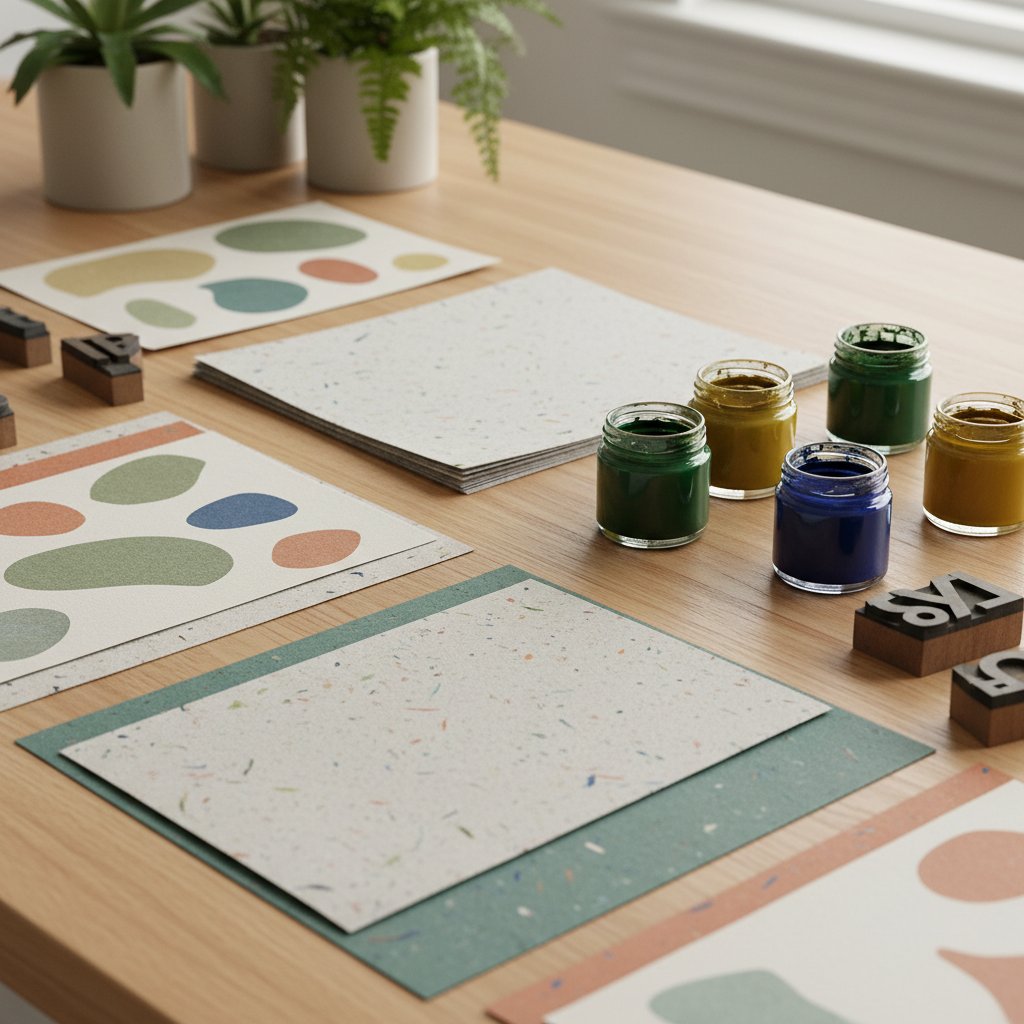
The print industry has been dancing with digital disruption for years, but 2024 brought changes that actually matter. Typography services—those brick-and-mortar shops that still smell faintly of ink and paper—have adapted in ways that would've seemed impossible just five years ago. Some have thrived. Others are still figuring out why their fax machine stopped getting orders.
Here's what's actually working in the typography world right now, stripped of the fluff.
1. Web-to-Print Platforms That Don't Suck
Remember when ordering custom prints meant three phone calls, two emails, and a prayer? Those days are mostly gone. Typography shops that invested in decent web-to-print systems are pulling in 40-60% of their orders online now. The key word here is "decent"—nobody wants to wrestle with a clunky interface that looks like it was coded in 2009.
The shops winning this game let customers upload files, see real-time pricing, and get instant proofs without human intervention. One medium-sized operation in Berlin reported their average order processing time dropped from 48 hours to 4 hours after implementing proper automation. That's not just efficiency—it's the difference between getting the client's business and losing them to the competition down the street.
2. Sustainable Materials Became Non-Negotiable
Eco-friendly printing isn't a nice-to-have anymore. It's what clients actively ask for, especially in the B2B space. Recycled stocks now account for roughly 35% of paper orders across European typography services, up from maybe 15% in 2020.
But here's the twist: customers will pay 10-20% more for sustainable options only if you can prove it matters. Vague claims about being "green" don't cut it. Shops that display actual certifications—FSC, PEFC, EU Ecolabel—and explain the supply chain are closing deals. The rest are just making noise.
3. Small-Batch Production Finally Makes Financial Sense
Digital printing technology caught up to offset quality for most applications, which changed everything about minimum order quantities. You can now profitably print 25 copies of something instead of requiring 500. Typography businesses that embraced this shift opened up entirely new markets—small businesses, event planners, indie authors—who were priced out before.
The numbers tell the story: shops offering low-minimum runs report 30-50% higher customer retention rates. Why? Because that startup can order 50 business cards now and 200 more when they're ready, instead of sitting on 1,000 outdated cards because that was the only economical option.
4. Same-Day Service Commands Premium Pricing
Speed wins. Typography operations with same-day turnaround capabilities are charging 50-100% premiums, and clients are paying without flinching. The catch? You need the workflow nailed down tight. One missed deadline destroys the reputation you spent months building.
Smart shops aren't promising same-day on everything—just specific products they know they can deliver. Business cards, flyers, basic brochures. The complicated stuff still gets normal timelines. This selective approach maintains quality while capturing the urgent-need market that's willing to pay extra.
5. Design Services Became the Real Money-Maker
Printing alone is a race to the bottom on price. Typography businesses that added legitimate design capabilities—not just template tweaking—increased their average order value by 60-80%. We're talking about actual designers on staff who can take a client's half-baked idea and turn it into something that doesn't look like a ransom note.
The model works because clients would rather pay one vendor for design and print than coordinate between two. Typography shops charging €50-150 per hour for design work are finding it more profitable than the printing itself. The print job becomes almost a guaranteed add-on once the design is done.
6. Variable Data Printing Opened Corporate Doors
Personalized direct mail campaigns are back, but smarter than before. Typography services that invested in variable data printing capabilities are landing corporate contracts worth €20,000-100,000 annually. Each piece in a run can have different names, addresses, images, even completely different layouts—all in one print job.
Marketing departments love this because response rates jump 30-40% compared to generic mailers. Typography shops love it because the technical barrier to entry keeps competition limited. Not every print shop can handle data merging and quality control at scale.
7. Niche Specialization Beats Being Everything to Everyone
The most successful typography operations in 2024 picked a lane. Wedding stationery specialists. Technical manual experts. Packaging prototype wizards. Trying to serve every possible print need means you're mediocre at all of them.
Shops that specialized report 25-40% higher profit margins because they can charge expert rates, optimize their equipment for specific jobs, and build reputations that generate referrals. One outfit focusing exclusively on art gallery catalogs has a six-week backlog despite charging premium prices. That's the power of being known for one thing done exceptionally well.
The typography businesses struggling right now are the ones still operating like it's 2015. The ones thriving figured out that printing is just the final step—the real value is in speed, convenience, expertise, and solving specific problems better than anyone else. Technology enabled these changes, but the winners are the ones who actually implemented them instead of just reading about them.